

Another ear infection. A blocked nose that never quite clears. A child who turns up the television or sleeps with their mouth open. As a parent, it can be difficult to know what will pass and what needs attention.
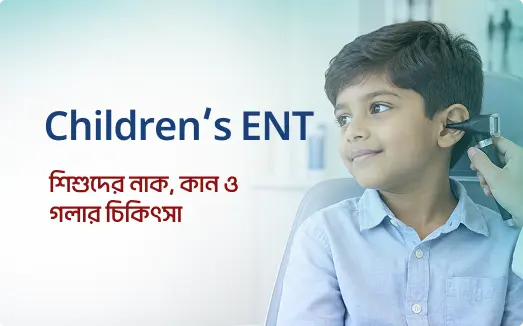
Consult Dr. Md. Abdullah Al Mamun in Dhaka about your child’s ear, nose and throat concerns, and understand the options before deciding on treatment.
Book an Appointment
Ear infections can bring pain, fever and restless nights. Younger children may pull at their ears, become unusually irritable or lose interest in food.
Many episodes settle without antibiotics, but repeated infections deserve an assessment. Treatment depends on your child’s age, symptoms and examination findings, including whether fluid remains behind the eardrum.
Glue ear is a build-up of fluid behind the eardrum that can make sounds seem muffled. It may affect hearing without causing obvious pain or an active infection.
It often clears naturally, but persistent hearing loss can affect communication and learning. Depending on its impact, options may include monitoring, hearing support or grommets—small tubes placed in the eardrums to ventilate the middle ears. Antibiotics do not treat glue ear itself.
Does your child often ask you to repeat yourself, turn up the volume or seem to miss instructions? These can be signs of difficulty hearing, rather than a lack of attention.
An ear examination and age-appropriate hearing tests help identify the cause. If you are concerned about hearing or speech development, arrange an assessment rather than waiting for your child to grow out of it.
Repeated tonsillitis can mean painful meals, fever and missed school days. Keeping a record of episodes, treatment and time away from school helps show how much the problem is affecting your child.
Tonsillectomy may be considered when infections are frequent and severe enough to justify surgery. The decision balances the expected benefit against recovery, pain and bleeding risks. Occasional sore throats alone usually do not call for an operation.
Adenoids sit behind the nose. When enlarged, they can contribute to a blocked nose, mouth breathing, snoring and middle-ear problems.
Some children improve as the adenoids shrink with age. Others may benefit from treatment or adenoid removal when breathing, sleep or hearing is significantly affected. The symptoms matter more than size alone.
Frequent sneezing, an itchy nose, watery eyes or a runny nose that keeps returning may be signs of allergic rhinitis.
Care focuses on reducing relevant triggers and using treatment suitable for your child’s age. This may include antihistamines or prescribed nasal sprays, with guidance on how to use them correctly.
Regular loud snoring deserves attention, especially if your child gasps, struggles to breathe or has pauses in breathing during sleep.
An assessment helps distinguish simple snoring from obstructive sleep apnoea. A sleep study may be recommended. Enlarged tonsils and adenoids can contribute, but treatment depends on the cause and severity—not every child who snores needs surgery.
Many childhood ENT problems improve with time, medication or monitoring. Surgery is considered when there is a clear reason, such as persistent hearing problems, significant airway obstruction or severe recurring tonsillitis.
Get their attention before speaking, face them and reduce background noise. Let their teacher know so classroom support can be arranged while hearing is assessed or monitored.
Seek urgent medical care for difficulty breathing, inability to swallow, rapidly worsening throat swelling, or swelling around the ear with fever or significant illness.
Tell the doctor what you have noticed at home, during sleep and at school. Bring previous prescriptions, hearing reports and a record of recurring infections if you have one.
Book an Appointment with Dr. Md. Abdullah Al Mamun